
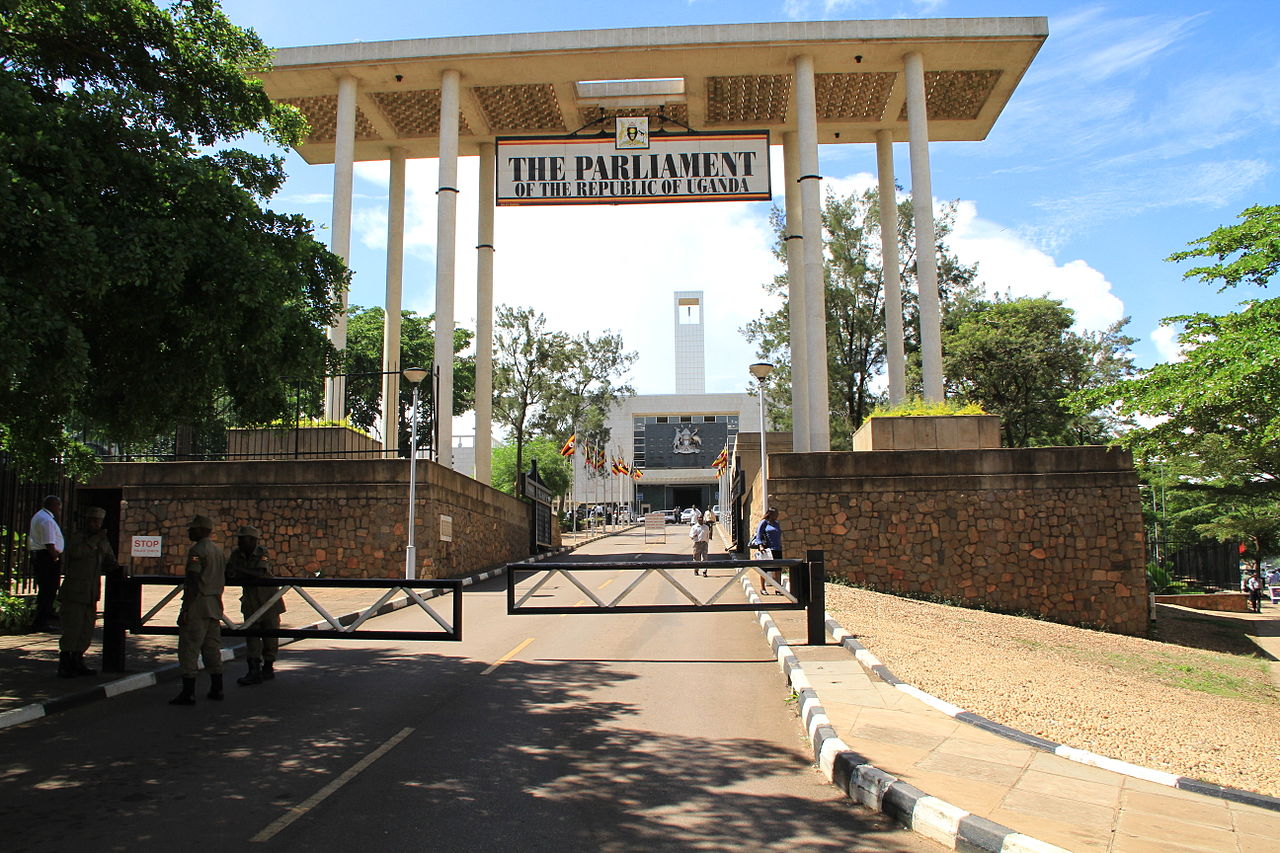
Uganda is about to pass a law that could send journalists to prison for twenty years — for receiving foreign funding, writing about economic policy, or simply refusing to hand over source lists to government inspectors. The bill is called the Protection of Sovereignty Act. Critics have another name for it: the Anti-Sovereignty Bill.
The legislation was introduced for a first reading on April 15, 2026, by Internal Affairs State Minister David Muhoozi. The ruling National Resistance Movement, which has held power for forty years under President Yoweri Museveni, controls a commanding majority in parliament and backs the bill. A detailed analysis published by the Committee to Protect Journalists on April 24, 2026 laid out what it would mean in practice.
“Uganda’s Protection of Sovereignty Bill risks unleashing a dangerous legal weapon that authorities can easily turn against the press, under the guise of regulation and national security,” said Muthoki Mumo, Africa Program Coordinator at the Committee to Protect Journalists, in a statement published April 24, 2026. “If this bill is not stopped, journalists reporting in a manner that does not please President Yoweri Museveni’s 40-year-old administration could find themselves smeared with accusations of ‘economic sabotage’ and jailed as ‘agents of foreigners.'”
THE BILL WITH TWO NAMES
The bill’s definition of “agent of a foreigner” is sweeping. It covers anyone whose activities are “directly or indirectly supervised, directed, controlled, financed, or subsidized by a foreigner” — including Ugandans living abroad. This would capture virtually any independent newsroom that relies on international grants or collaborates with foreign news organizations.
Foreign agents face an annual funding cap of 400 million Ugandan shillings (approximately $108,000 USD). Exceeding it is punishable by twenty years in prison and forfeiture of the funds to the state.
The bill requires foreign agents to register every two years with the ministry of internal affairs. They must disclose staff lists, copies of all agreements with foreign entities, and can be subjected to inquiries into their physical and mental health. The minister holds broad discretion to deny or revoke registration for undefined “disruptive activities” or a vague “security threat.” Operating without registration carries ten years in prison.
Government inspectors would have the right to enter media premises “at any reasonable time” and demand “any information” deemed necessary. Refusal carries seven years in prison — a provision that directly threatens journalists’ ability to protect confidential sources.
The bill introduces penalties of up to 20 years in prison for activities that could encompass routine journalistic work: publishing information deemed to “weaken or damage the economic system,” criminalized as “economic sabotage,” or promoting foreign policies not adopted by Cabinet. Any foreign agent who “influences the will” of a person to decide how they shall be governed faces twenty years for “interfering with electoral processes.”
Attorney General Kiryowa Kiwanuka defended the bill in an official opinion piece, writing that it was comparable to similar laws in other democracies and “grounded in the urgent need to safeguard Uganda’s autonomy and stability.”
FORTY YEARS AND COUNTING
Yoweri Museveni has ruled Uganda since 1986, making him one of the longest-serving heads of state in the world. His National Resistance Movement holds a commanding majority in parliament. It is that same party that has formally backed the bill.
Uganda’s independent press has faced repeated crackdowns under his administration. In May 2013, security forces ran a ten-day siege on the Daily Monitor (Uganda’s main independent daily) and Red Pepper (Ugandan tabloid) newspapers after they published a letter about an alleged assassination plot. Printing presses were shut down. Editors were pressured to reveal their sources.
Human Rights Watch described the new bill as a copy of “a repressive tool used by other abusive governments to crush exercise of rights and stigmatize human rights defenders, independent media and other dissenting voices.” Similar laws passed in Zimbabwe in 2023. Legislators in the Central African Republic discussed one in 2024.
A VOTE IS COMING
The bill received its first parliamentary reading on April 15. The NRM parliamentary caucus has formally endorsed it. With the ruling party’s majority intact, a swift passage is expected.
The CPJ and Human Rights Watch have called on Ugandan parliamentarians to reject the bill outright. Press freedom organizations across Africa and around the world have demanded its immediate withdrawal.
The bill’s most chilling line may be its vaguest. Any foreign agent who “influences the will” of a person to decide “how they shall be governed” faces twenty years in prison for interfering with electoral processes. In Uganda, where Museveni has governed for four decades, the question of how the country shall be governed has never really been left open for debate.