


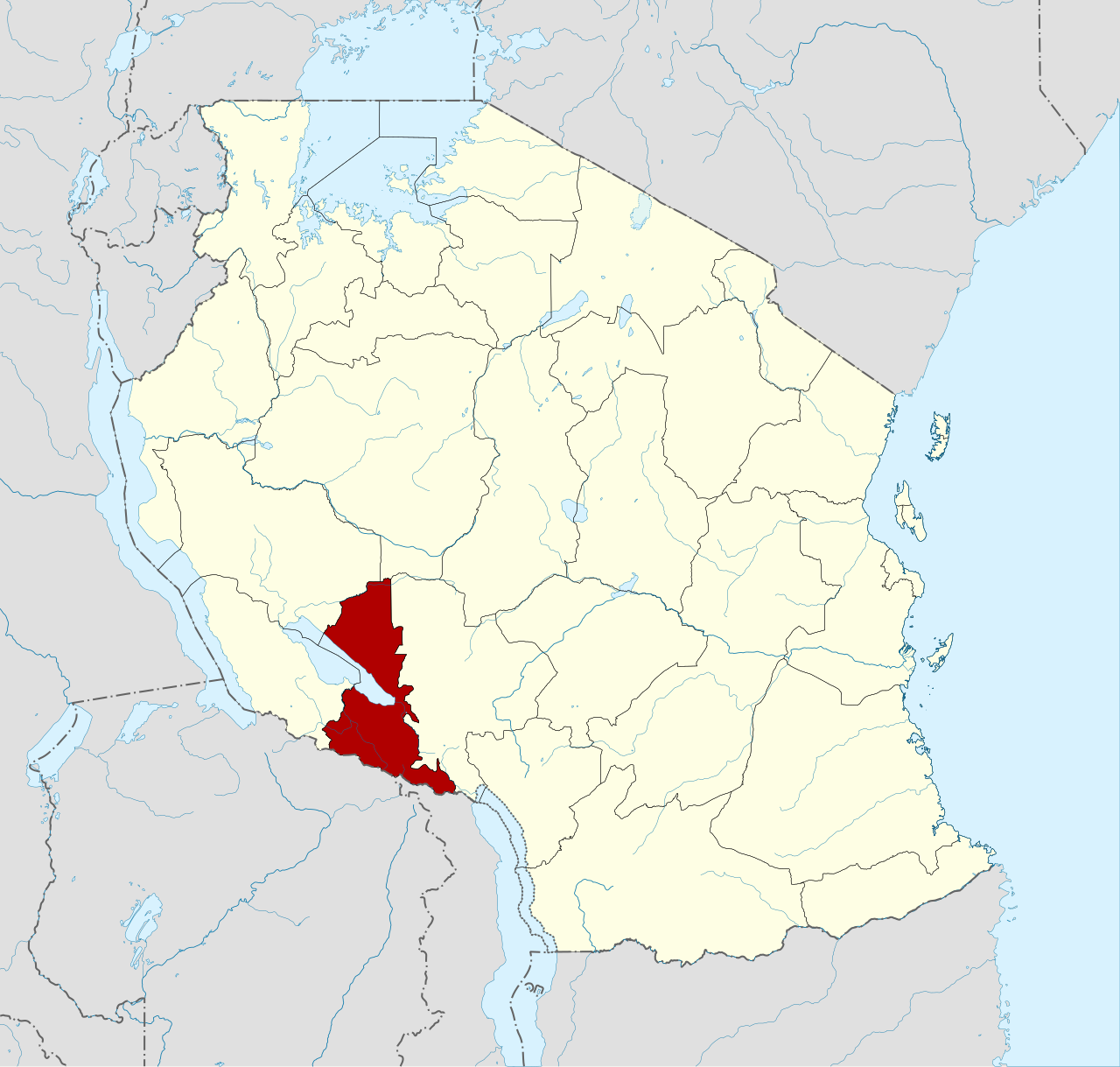
In four days, at least seven people died in Tanzania. The cause: a rumour that a stranger’s touch on the shoulder could make a man’s genitals disappear. The panic started on April 1, 2026 in Tunduma (~875 km southwest of Dar es Salaam, at the Zambian border), a border town in the Songwe region, and swept through Mbeya, Dar es Salaam, and all the way to Zanzibar, according to The Chanzo.
The most documented case is that of Henry Shubati Myuwanga. The 50-year-old primary school teacher was in Kilyamatundu village, Sumbawanga District (Rukwa Region, ~720 km southwest of Dar es Salaam), on the evening of April 4, 2026 — selling liquid soap — when a young shopkeeper named Clement Simchimba accused him of touching his shoulder and making his genitals disappear. Villagers stoned Myuwanga. Then they burned his body.
“This act is savage. An innocent person died because of baseless accusations. We will not tolerate such behavior,” said Shadrack Masija, Rukwa Regional Police Commander, in a statement to media on April 4, 2026. Twenty-five suspects were arrested. Simchimba remains at large.
The national toll mounted fast. A national police statement dated April 5 confirmed at least seven dead. In Songwe Region alone, four people were killed and four others hospitalized. On April 2, a motorcycle taxi driver in Vwawa Town, Mbozi District, was seriously injured after a similar accusation. Police made 29 arrests across the region.
Medical specialists examined every person who reported a stolen organ. In each case, the examination found nothing wrong. All genitals were intact.
This type of episode has a name in medical and anthropological literature: koro, or genital retraction syndrome. Similar mass outbreaks have been recorded in West Africa — Ghana and Nigeria in the 1990s — and in Southeast Asia, Singapore in 1967. The crises tend to erupt under conditions of social anxiety, economic stress, and pre-existing supernatural belief. The people who report symptoms are not lying. They genuinely believe the experience is real. Calling these “rumours” misses the point. They are mass psychogenic events. The violence they produce is entirely real.
The Government Responds
Tanzania’s Minister for Home Affairs, Patrobas Katambi, issued a public warning. “I issue a stern warning to all citizens spreading false rumors about their private parts being stolen and to anyone taking the law into their own hands. We will not hesitate to take strong measures against you because you are endangering lives and causing harm to innocent people,” he said in an official address. Katambi confirmed that police investigations had thoroughly discredited every complaint.
Jabir Makame, Songwe Regional Commissioner, pointed to the economic stakes. “We cannot allow citizens to live in fear in an important commercial town like Tunduma. The government will not tolerate anyone spreading panic or inciting violence through claims of genital theft,” he said. Makame added that mob justice driven by superstition was damaging Songwe’s image as “a key cross-border trade hub.”
In Zanzibar, the panic arrived on April 4. Police in Mjini Magharibi (Zanzibar’s urban district) made ten arrests between April 4 and 9. Regional Police Commander Richard Mchonvu described one event from the night of April 9 in the Kijichi area. A businessman returned home by motorcycle taxi and was surrounded by boda boda (motorcycle taxi) riders. They told him he had taken someone’s genitals and must return them. He locked himself inside. They broke down his door, assaulted him, stole a television set, and damaged his property. The ten suspects face charges including giving false information, breach of peace, and theft.
In Mwanza (northwestern Tanzania, on Lake Victoria), an 18-year-old named Emmanuel Kagero admitted to police on April 8 that he had been influenced by rumours circulating in his community. He had accused 21-year-old Jodani Kabinga of stealing his genitals through a shoulder touch. Both were arrested. A hospital examination found no physical changes in Kagero.
A Pattern That Repeats
The violence is not new in Tanzania. Between July 2015 and March 2016, police arrested 135 suspects in connection with the killings of elderly women accused of witchcraft. In 2024, 138 elderly people were killed in the country — the majority of them women.
Anna Henga, Executive Director of the Legal and Human Rights Centre, stated the baseline clearly: “Anyone suspected of wrongdoing must be dealt with through lawful procedures.”
Onesmo Olengurumwa, National Coordinator of the Tanzania Human Rights Defenders Coalition (THRDC), called on communities directly: “Communities must reject violence and allow law enforcement agencies to investigate allegations.”
The courts have begun to act. On April 21, 2026, Sumbawanga District Court sentenced seven young men to six months in prison — or a fine of 100,000 Tanzanian shillings (about US$38) — for assault and theft linked to the panic. The convicted: Joseph Anania Bulaya (22), Meshack Daniel (21), Simon Vitalis (21), Dismas Gustave Kayumbe (22), Emmanuel Richard (24), Charles Juma (22), and Erasto Maton.



[…] crisis is not isolated. It replicates the exact pattern of events in Tanzania last month. In April 2026, an identical rumor killed seven people in Tunduma and Mbeya. Tanzanian police made over fifty arrests […]
[…] pas isolée. Elle reproduit le schéma exact des événements survenus en Tanzanie le mois dernier. En avril 2026, une rumeur identique a coûté la vie à sept personnes à Tunduma et Mbeya. La police tanzanienne avait alors procédé à plus de cinquante […]