


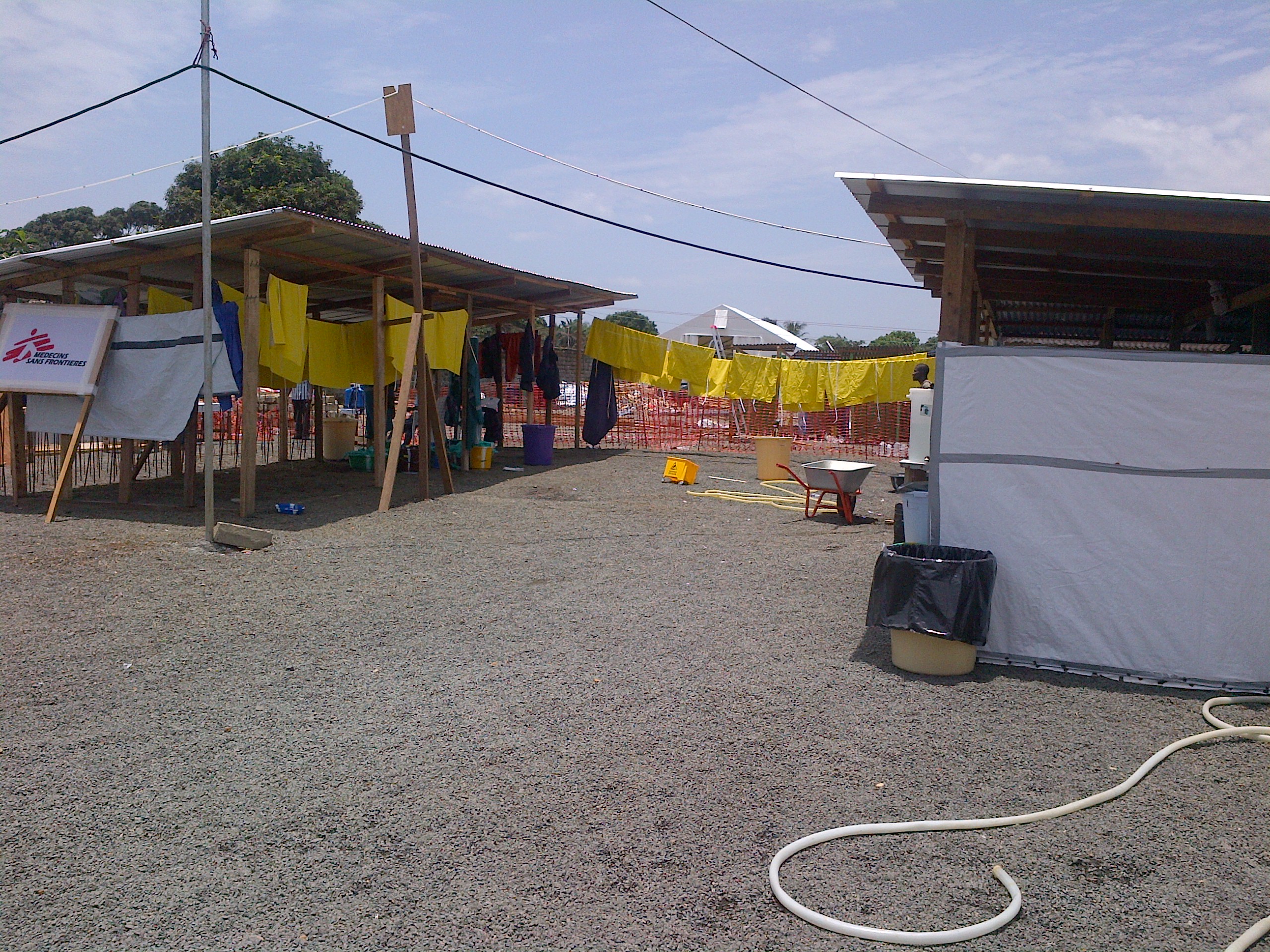
Since May 15, 2026, two Ebola treatment centers in the Democratic Republic of Congo have been set on fire by community members who believe the disease does not exist. The World Health Organization has attributed both incidents to misinformation spreading on social networks. As of June 14, 808 confirmed cases had been recorded; the outbreak has since crossed into Uganda, where 19 cases have been reported.
The current outbreak involves the Bundibugyo strain of Ebola — only the third epidemic caused by this strain in recorded history. No approved vaccine or therapeutic exists for it. The WHO declared a Public Health Emergency of International Concern, its highest alert level.
“Some people still doubt that the disease is real,” said Bruno Michon, head of the International Federation of Red Cross and Red Crescent Societies delegation in DRC, according to UN News published on June 16, 2026. Community members allege the outbreak was “invented to attract foreign funding.” Protective body bags distributed by the IFRC are described by residents as “an attack on culture”; traditional burial rites, which involve direct contact with the body, continue regardless.
The effects are concrete. Patients conceal fever. Families avoid treatment centers. Traditional burials proceed without isolation measures. The WHO describes the resulting gaps in containment as “blind spots,” according to spokesperson Tarik Jašarević in Geneva on June 16, 2026.
The IFRC has responded with body bags fitted with a transparent window so families can view their deceased. Field workers conduct door-to-door visits and lead demonstrations on preparing chlorine solution for safe handling of remains.
Beyond the outbreak itself, four million people in the affected region require urgent humanitarian assistance, two million are displaced, and ten million face acute hunger, according to WHO Director-General Tedros Adhanom Ghebreyesus. The WHO has allocated $3.9 million to the response; the UN Central Emergency Relief Fund has committed $60 million. Elsewhere in Africa, rumors of genital theft triggered deadly lynchings in Mozambique after misinformation spread through communities with similar speed.
“Trust is not a secondary activity in the Ebola response. Trust is central.” — Bruno Michon, IFRC DRC Delegation, UN News, June 16, 2026.