


On Christmas Eve 1926, a man stumbled into the emergency room at Bellevue Hospital in New York City. He was hallucinating that Santa Claus was chasing him with a baseball bat. He died before staff understood how sick he was. Eight people died in New York that Christmas from drinking liquor. Twenty-three more died in the next two days. Investigators found the cause: the alcohol had been deliberately poisoned by the federal government.
Since 1906, U.S. law required that industrial alcohol — used in paints, solvents, and fuels — be mixed with unpleasant additives to make it undrinkable. By the mid-1920s, bootleggers were stealing an estimated 60 million gallons of it annually and redistilling it for sale as liquor. In 1926, President Calvin Coolidge’s administration responded by ordering manufacturers to add far deadlier substances. The new formula included methanol at up to 10 percent of total product, along with kerosene, benzene, formaldehyde, cadmium, and chloroform.
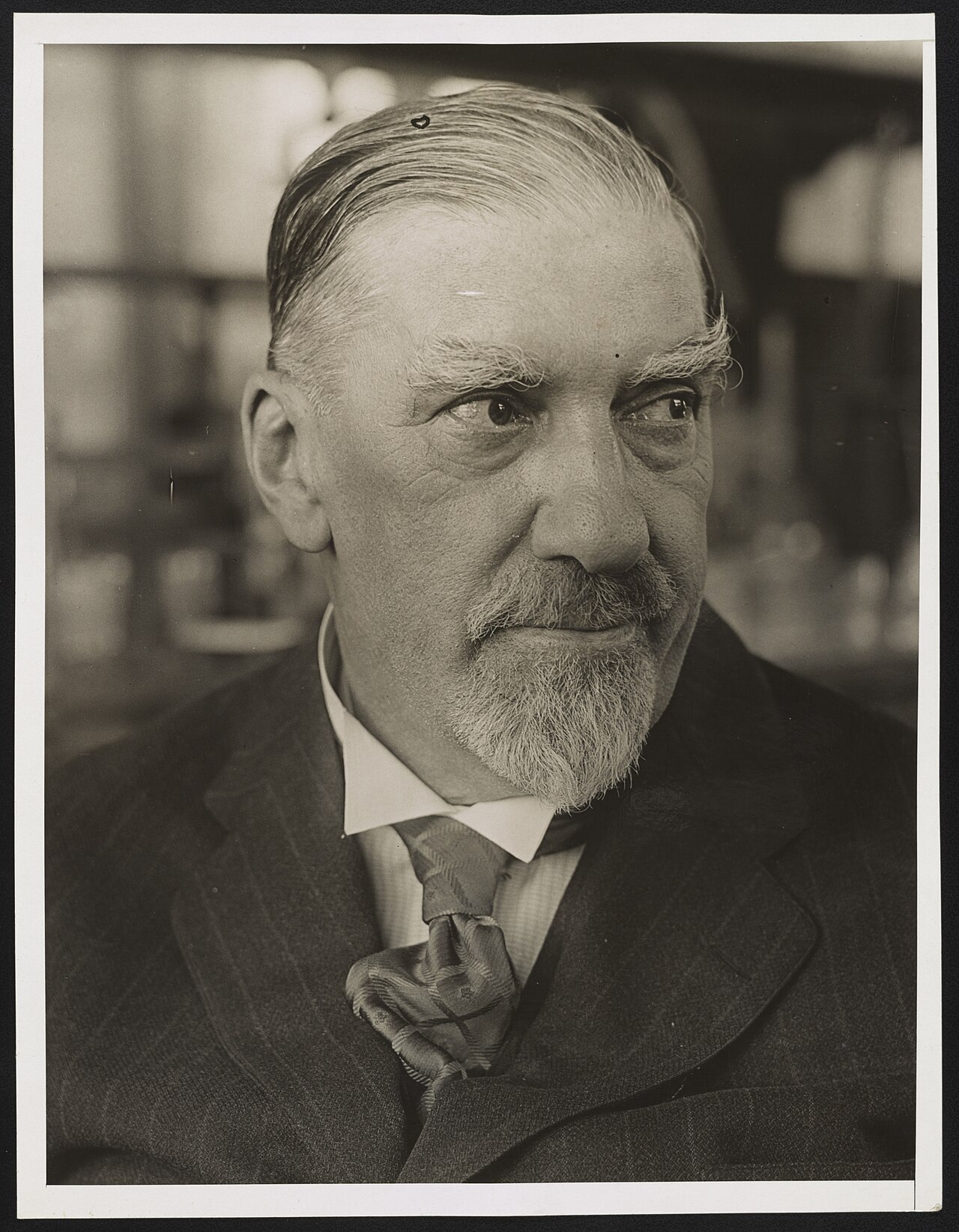
New York City’s chief medical examiner, Charles Norris, held a press conference. “The government knows it is not stopping drinking by putting poison in alcohol, yet it continues its poisoning processes, heedless of the fact that people determined to drink are daily absorbing that poison. Knowing this to be true, the United States government must be charged with the moral responsibility for the deaths that poisoned liquor causes, although it cannot be held legally responsible,” Norris told reporters, according to Slate published on 19 February 2010.
In 1926, 1,200 New Yorkers were sickened by poisoned alcohol and 400 died. The following year, deaths in the city climbed to 700. Nationwide, the program is estimated to have killed at least 10,000 Americans by the time Prohibition ended in 1933.
Norris also noted the program’s disproportionate toll on the poor. Wealthy residents could afford better liquor. Most of those sickened and dying were people “who cannot afford expensive protection and deal in low grade stuff,” he said, according to the same source.
In Congress, Senator James Reed of Missouri condemned the policy. “Only one possessing the instincts of a wild beast would desire to kill or make blind the man who takes a drink of liquor, even if he purchased it from one violating the Prohibition statutes,” he said, according to Slate published on 19 February 2010. Others defended the program. Nebraska’s Omaha Bee asked: “Must Uncle Sam guarantee safety first for souses?”
The poisoning program officially ended when the 18th Amendment was repealed in December 1933. Charles Norris had another name for it. He called it “our national experiment in extermination.”