


If there is a Rule Number One in any suicide bombing instructor’s manual, it would be this: never demonstrate with a live device.
On February 10, 2014, in a secluded orchard in Salahuddin Province, 60 miles north of Baghdad, an ISIS commander broke that rule in front of a room full of recruits. He wore a loaded explosive belt. He detonated it. He died. Twenty-one of his students died with him.
Iraqi army units, alerted by the explosion, swept the compound. They found fifteen wounded, arrested eight militants trying to flee, and seized heavy weapons, additional bomb belts, and at least ten vehicles packed with explosives and ready for deployment. Twenty-three more militants were captured in the wider sweep.
The commander was never identified by name. An Iraqi army officer described him, with thinly veiled satisfaction, as “a prolific recruiter who was able to kill the bad guys for once.” The officer added: “Maybe this suicide bomber will really get to heaven as they say.”
Word spread quickly through Baghdad. Raad Hashim, working the counter at a liquor store near the Ministry of Foreign Affairs, burst out laughing when he heard. “This is so funny,” Hashim said on the night of February 10, 2014. “It shows how stupid they are, those dogs and sons of dogs.” Then, more quietly: “It also gives me pain, as I remember all the innocent people that were killed here.”
ISIS AT ITS PEAK
The black humour masked a grimmer picture. By early 2014, ISIS — formerly known as Al-Qaeda in Iraq before its expansion into Syria in April 2013 — controlled large swaths of Anbar Province. The group had recently seized parts of Ramadi and Fallujah. Its ranks had swelled with foreign fighters drawn to the Syrian jihad and with former members freed in a series of meticulously planned prison breaks.
Brett McGurk, a senior State Department official, told Congress that 50 suicide attacks had occurred in Iraq in November 2013. In November 2012, the figure was three. “The suicide bomber phenomenon,” McGurk said, “is complete insanity.”
Terrorism analyst Bill Roggio, writing for the Long War Journal (U.S. counter-terrorism publication), was equally blunt. “The fact that ISIS is able to recruit such a large number of suicide bombers and then train them all in one place should be of great concern. How many more ISIS suicide camps are out there? Given the steady stream of suicide attacks, today’s work accident won’t make much of a dent in its operations.”
THE LESSON ENDS
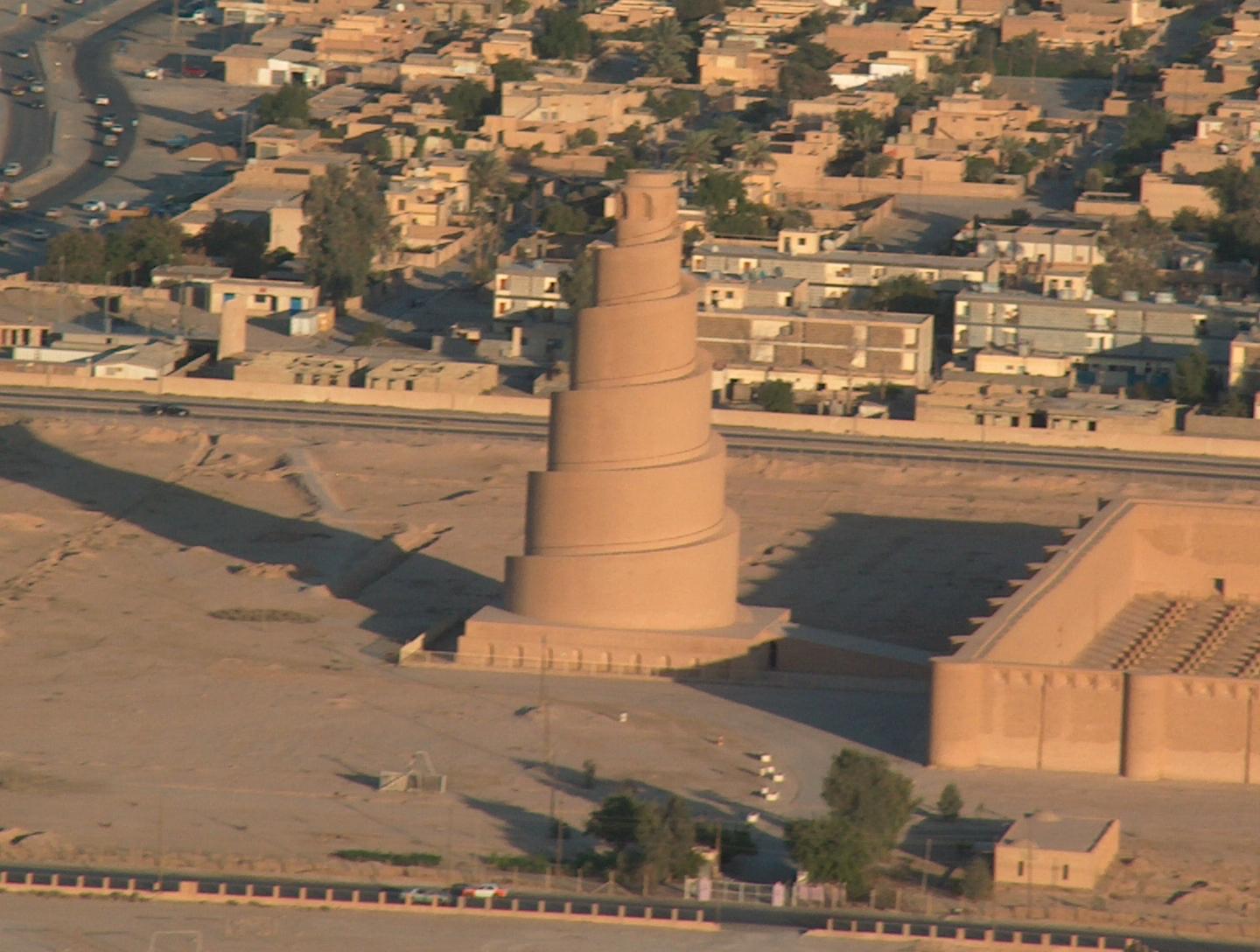
That same evening, as Iraqi soldiers still combed the orchard near Samarra (~125 km north of Baghdad), a bomb exploded near a café in Baghdad. Three dead. Eleven wounded.
Hamid al-Mutlaq, a member of Iraq’s parliamentary security committee, put the larger picture plainly. “The terrorist groups have made a strong comeback in Iraq. The security problems are far from over, and things are heading from bad to worse.”
One camp down. The bombs kept coming.
Back at his counter, Raad Hashim slid four bottles of Corona to a customer and took his money. “What happened today was not death, but it was life to us,” he said. “Those 22 who were killed today might have killed hundreds of Iraqis, hundreds of innocent souls. May they burn in hell.”